I should get rid of those blue corduroys. They kick me in the gut every time I see them. They’ve been sitting in my closet for more than two years, and I cannot wear them again. Yeah, I have to admit they were always a bit tight on the waist. But I am afraid of them. What an embarrassment a superstitious scientist is.
Until two years ago I had the protection that comes from pure ignorance and good fortune. I was an ocean away, alone at a conference doing daylight astronomer’s work, carving out time to revisit the town where we first started living together, where for the first time we could love each other full time.
I rented a bike to pass for a local and decided to stay in one of the newer colleges, farther from the Cam and closer to the fields. These buildings lacked the gothic style that Americans love from the England they see on PBS, but my room had a shower. In addition to the usual “making tea facilities.”
It was December, and the darkness and the forever wet sidewalks did not disappoint. I was time-traveling, auditing the blueprints from when we shoplifted tomatoes. I had basically won the lottery.
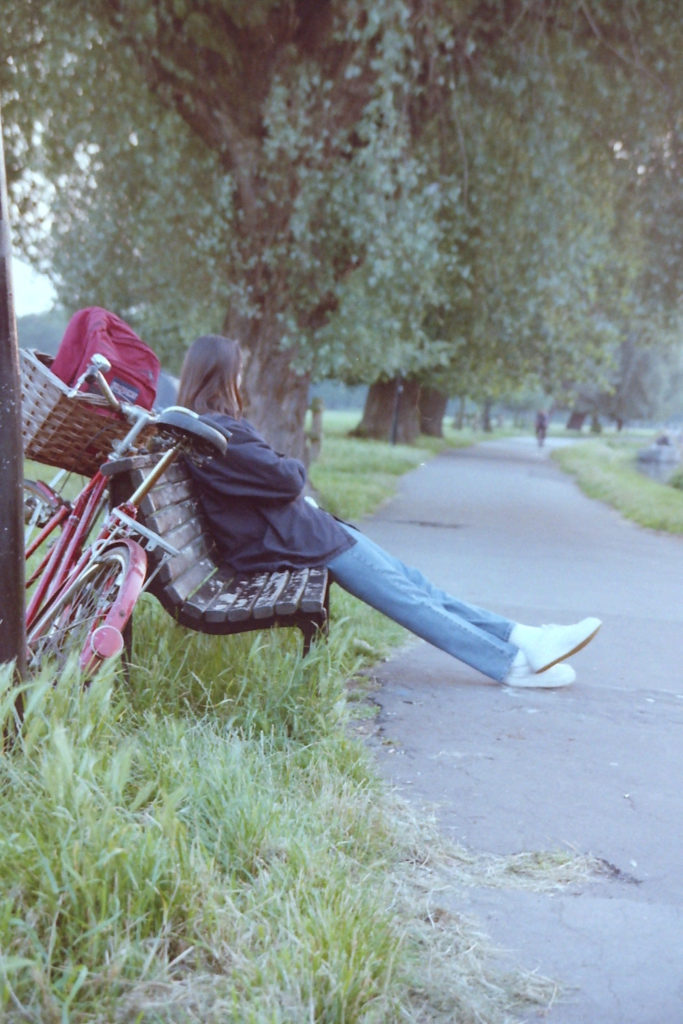
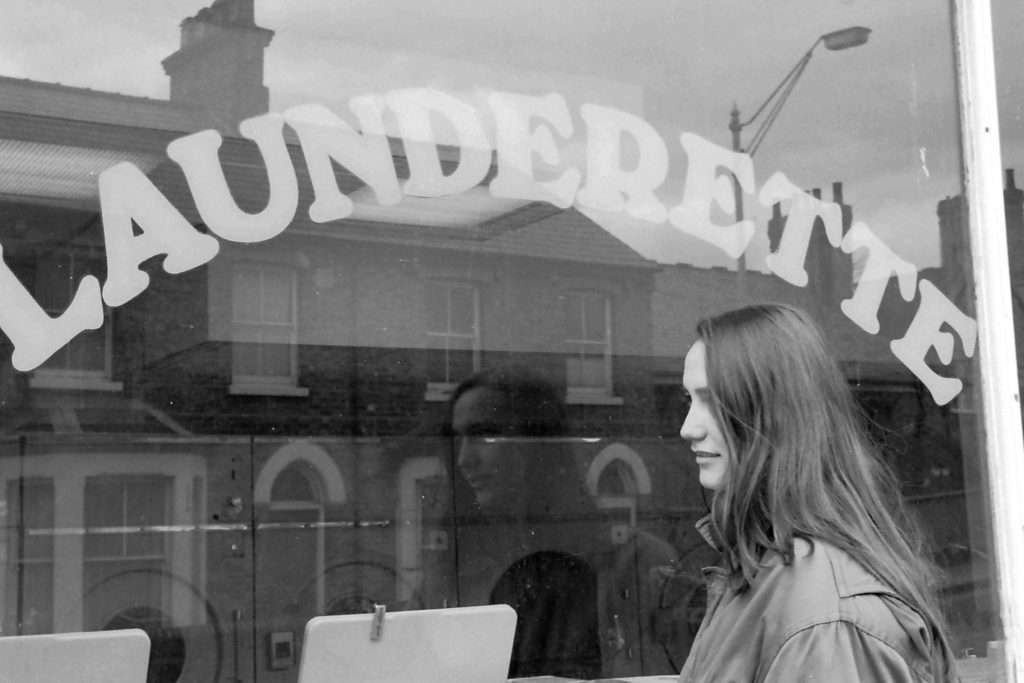
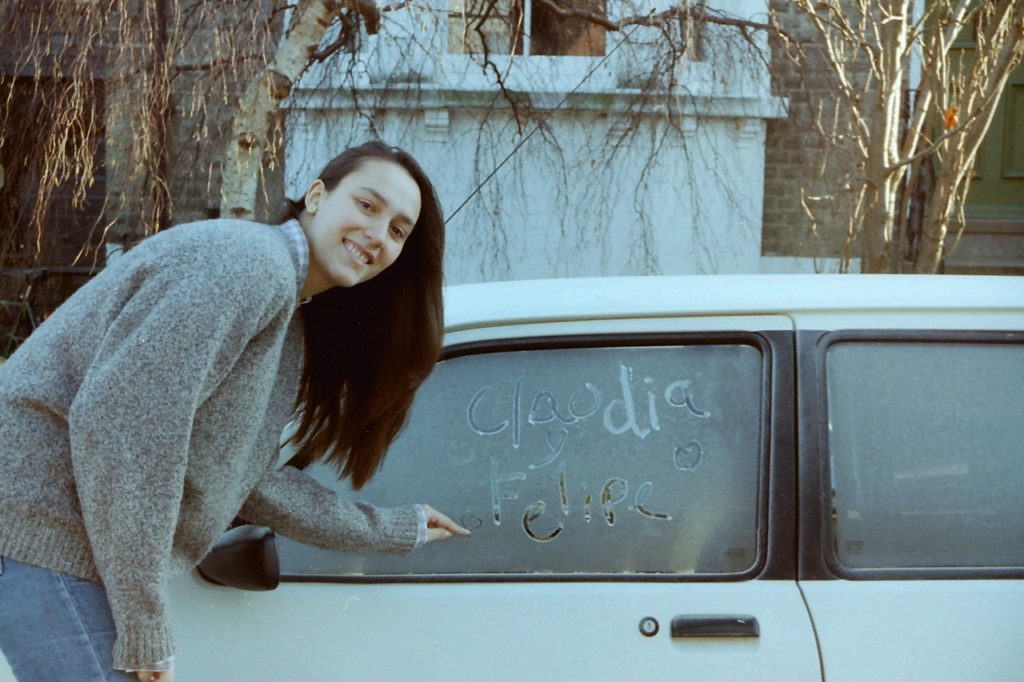
Last sunset by the Cam with her old red Raleigh.
had dinner with one of my old office mates from school, whom I had not seen in more than a decade. I was a year ahead of her in the program and we bonded over the same toxic thesis advisor. Time had been kind to her. A shy undergrad from Halifax once, now a professor with two kids. Because this is a modern story, the news came through my phone. After dinner, I was heading back to my room when she texted me from across six time zones. “They call me from the hospital, they want me to come back for another test, there is something abnormal in the image.” Images were my job.
I tried to sleep that night. I tried to be calm on the plane back home. I tried to think it would be nothing. It was brutally cold, white and sunny when I landed. The fear rode home with me on I-57.
Biopsy, positive, invasive ductal carcinoma.
Holding her hand in the waiting room. Trying to be brave. Unprepared. She knows my poker face. You spent your life waiting for tragedy to happen. Useless exercise. I want to go back to a careless summer on Lake Michigan. The luxury of worrying about normal stuff, like money, school, work, breakfast, diapers. But I am in the waiting room with her. Ready to meet doctors whose names I will not forget. I look down at my winter boots and I am wearing the blue corduroys.
I wanted to leave this world if she were to leave. But I had two boys who still needed me. I had her love for so many years, while my boys were just getting to know her. What could I do with a two-year-old in love with his mama.
Surgery, radiation, drugs, standard of care. Winter, summer, winter, summer, winter.
For her this is all a fading memory now. I am not that strong. My courage is cracked by fear of blue garments and random pains in her fingers that can send me crying to another room. Friends respect our privacy and assume we are back to normal. Now that I can dare to plan summers with bikes and lakes, birthday parties, home remodeling, how can I lament without sounding ungrateful? Without tempting fate? My friend in NJ walks his daughter to school alone.
I never told my sons. They were too young. They still don’t know, so please do not tell them if you see them. Just assume it is all okay.
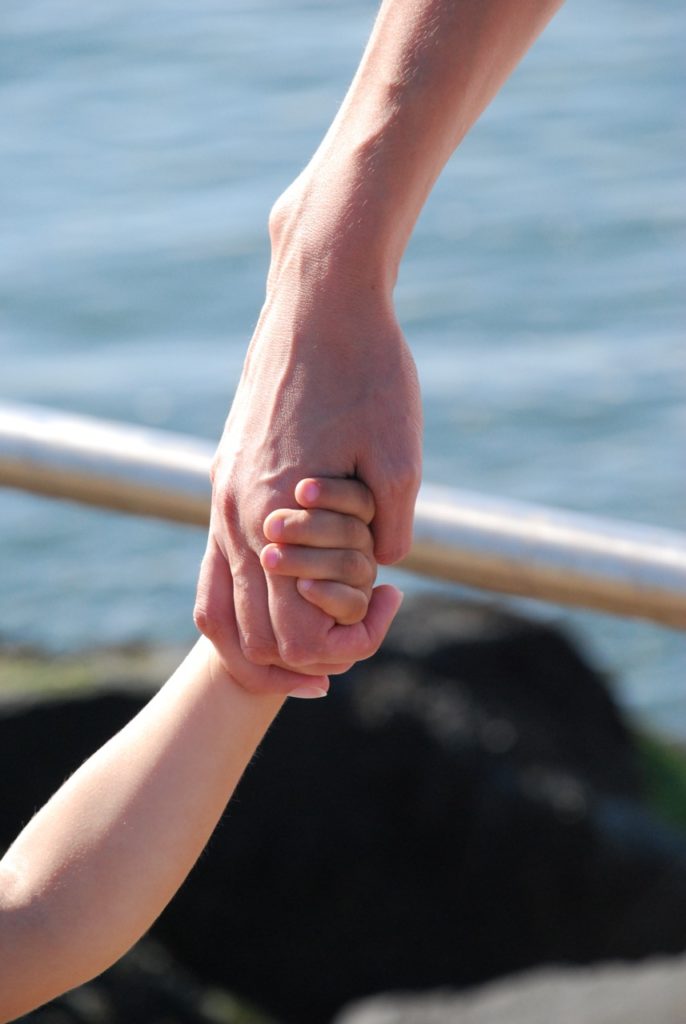
He is almost ten but he still lets me hold his hand when we walk. I will try to hold his for as long as I can. My oldest son is not like me. He is naturally kind, he is easy to love and he gets along with everyone with no effort. Just like her. He also has her female ability to tune out the rest of the world, on demand.
It is an early November evening, but it is already dark outside as we are pass the winter time change. As I walk with him from the campus library to the truck, a gust of wind hits us hard but it makes me smile. Unlike most of the fierce midwestern winds that I’ve learn to fear, this one doesn’t hurt. This one smells of seagulls and salt. But not like the ones from my sunny Pacific. This wind smells of darkness from higher latitudes. This wind smells of gray clouds and wet sidewalks and bike fenders and takeaway curry.
While I am holding his hand, I am suddenly taken back to a night, where I am at the edge of a field next to a bridal path that goes to medieval towns with names that she and I are learning to pronounce. It is dark and windy and it could be November or February, hard to tell, it is like this most of the time anyway. And I’ve been sitting here for a while, watching the lights on the M11 on the distance. Mad at her, but I cannot remember why now. I grabbed my old Bianchi and stormed out. No bike lights, gloves or hat. Unfortunately, I won’t learn anything useful tonight. Passion still governs and overflows our lives. There are still doubts and I worry that we might not be unbreakable. If so, all would be lost.
During our first winter there I wondered if summer would ever visit such a place. After two Junes waiting in vain I learned that summer and friendship had different meanings there. The first pages of our young life were curled up by the wet wind. My memories tinted by the darkness and the low sun.
The morning we landed in Heathrow everything looked ugly and blacken. I could feel the distance on my back. I did not care. School was starting and we had no place to live, so we were given a room on the old Observatory cottage for a couple weeks. After going through the collection of hideous housing available, we found a new basement flat on a terraced house that we could not afford. We took it anyway. It was tiny and wonderful. The landlord was from Chicago so we had the luxury of a shower and mixed hot and cold taps.
Our basement flat had only music and books at first. A unpolluted life. She spent her evenings learning English from the lyrics of Sade and Everything But the Girl. Eventually we were able to drop fifty quid for a used television that we had to pick up at a council flat at the other end of town. It was a fortune and became our currency unit. We rode in the drizzle and managed to fit it on my front wicker basket. My faithful old Bianchi. I had to abandon her unlocked at the train station when the time came to leave.
We could not afford a TV license, but we used it anyway, always with a bit of fear of getting caught. We survived on dreams and a meager scholarship, way below the minimum wage. We would shoplift tomatoes and cheese from Sainsbury’s and smuggle glasses from the pubs. We had no shame. I was immensely happy for the first time.
Our life was free. Just bicycles and locks. Free of money, worries and belongings. It feels like we were always cycling at night and in the rain. Coming back home with tired eyes of watching movies without tickets.
That night was wasted, I didn’t learn anything. When I got too cold, I rode back to the flat. I held her, moved on and we both forgot. I returned the same fool I left, convinced that I was right. And despite of all that, we survived.
Too many years had to pass for her to chip away my armor of bitterness. But in the process I’m afraid I smeared her smile and I fogged her eyes a bit. Until one day, I don’t remember exactly when, during another clash she calmly opened my eyes. The realization came crashing down like a summer storm, and in a second I understood. For the first time. The meaning of kindness. The purpose of my love. I was old, but I had finally accepted the invitation to her world.
By the second year only three of us had survived the carnage of advanced algebra and calculus. Originally we were 13 aspiring physicists. One died during the first month, his body appeared on a vacant lot in a part of the city that I was too sheltered to know. I am embarrassed to have forgotten his name. The rest, withered at the hands of a few math professors who dispensed their resentment in well-formatted LaTeX exams.
Physics gave me a new language, a world labeled with vectors and potentials. My childhood country sat in a deep potential well.
Escaping it was unimaginable. I still have the scars from mine. My escape, in high school, fueled by a broken heart and drinking the wrong books. For women, steeper walls. The ones who climbed fell and broke.
She was wearing those very 1990s acid wash jeans. I remember the afternoon I met her, the first day of school. That was more than 25 years ago. She left a permanent memory in me. I did not on her. She had confidence and kindness, so scarce among the girls I kept meeting. And she had long, long hair. She had never had to run. Safe and content inside the walls. Still, I tried not to stray too far from her.
That worked for a while.
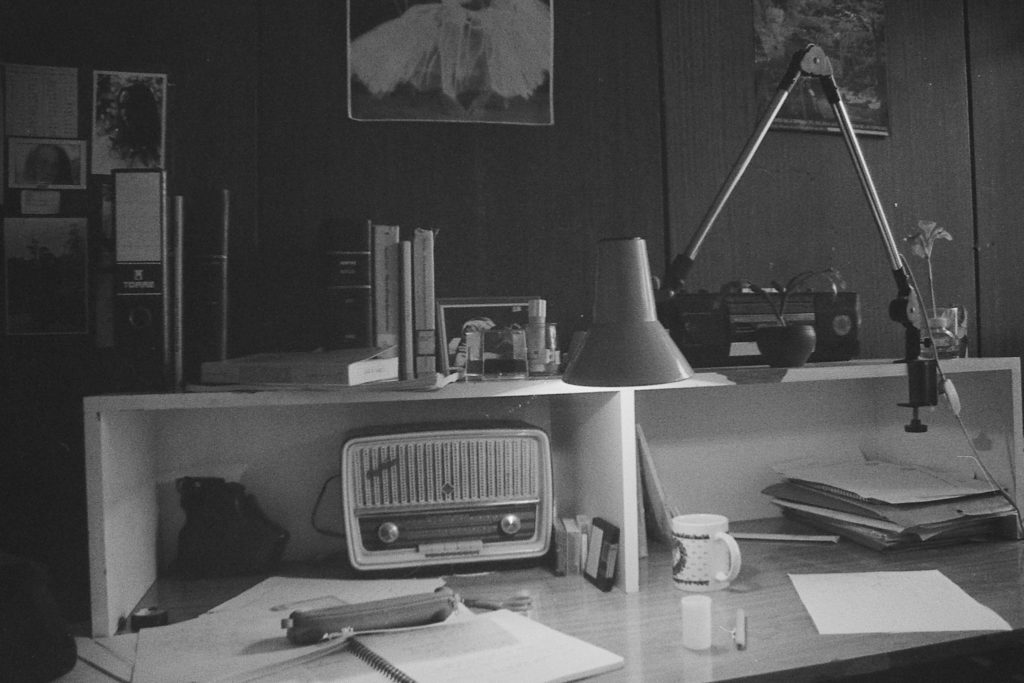
My desk as an undergraduate at the Physics Department.
After a brief affair with physics, by my third year I was back in love with astronomy. But she was not around anymore. She had dropped out of my program and started art school. Across the city.
I was also alone in class thanks to an unhinged math professor who broke the dreams of everyone else. So, for my stellar astrophysics class, it was just me and the cool new astronomy professor. My first academic membership. In the second class he let me in on the secret. Our sun and the life we search for around sun-like stars are powered by a legal quantum loophole.
The sun’s energy comes from slamming together hydrogen nuclei so hard that they stick and produce new helium atoms. The problem is that the sun’s core is not hot enough. The atoms don’t fly fast enough to overcome the repulsion of their positive charges. Never close enough to stick. They don’t have enough energy to jump each other’s walls.
But the sun shines anyway. So the wall is porous, penetrable. The nuclei have a chance, inconceivably small, to go through a tunnel instead. And the sun’s core is so densely packed with hydrogen atoms that even with that small probability, it shines, and the miracle happens: quantum tunneling.
She followed a new road. Other people found her. I was distracted by galaxies, and whether the universe would expand forever or crunch back. She was not my landscape anymore.
Until my twentieth birthday. She showed up at my door with a book and a letter that I still have, her hair cut short and her innocence gone. No scars. She had built her own tunnel through the walls.
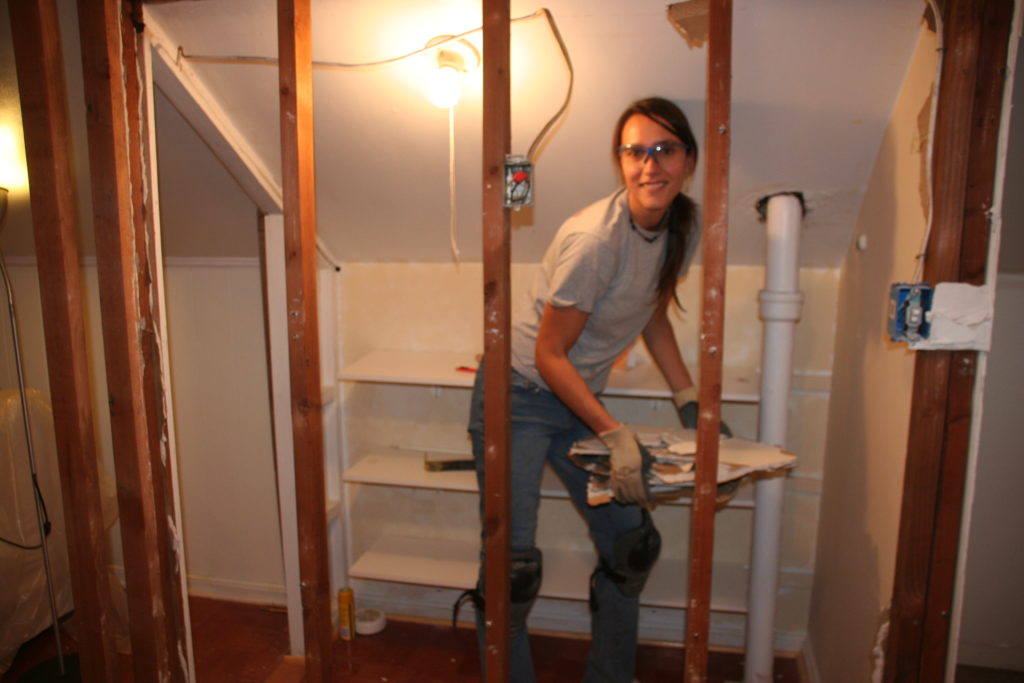
“We’ve run out of excuses” —she told me seriously while holding a hammer and covered with drywall dust. She was at the top of the stairs, in the attic, wearing her DIY uniform: the faded-and-now-ripped jeans with the Lacrosse hoodie that she kept from a Lost & Found in Baltimore. She looked tired and magnificent at the same time. After 18 months of working in our first home she was now the master electrician, plaster, tiler and painter of this deranged renovation project. I was also tired, and dirty, and at this point I think even my hair was starting to ache from all the work done trying to complete this foolish feat.
We were all in. We have sinked —and years later we will lose, all our savings on this. But we had no burden other than to entrust our lives to each other. Subprime was not yet in our dictionary. Yes, I was a practicing astronomer, and a half-decent one by now. But I counted the minutes to get back to the nest of her eyes. We had a simple covenant that we have observed to forge a fabulous universe of just two. In the process I had become addicted to the soothing new taste of happiness.
Her DIY uniform during demolition.
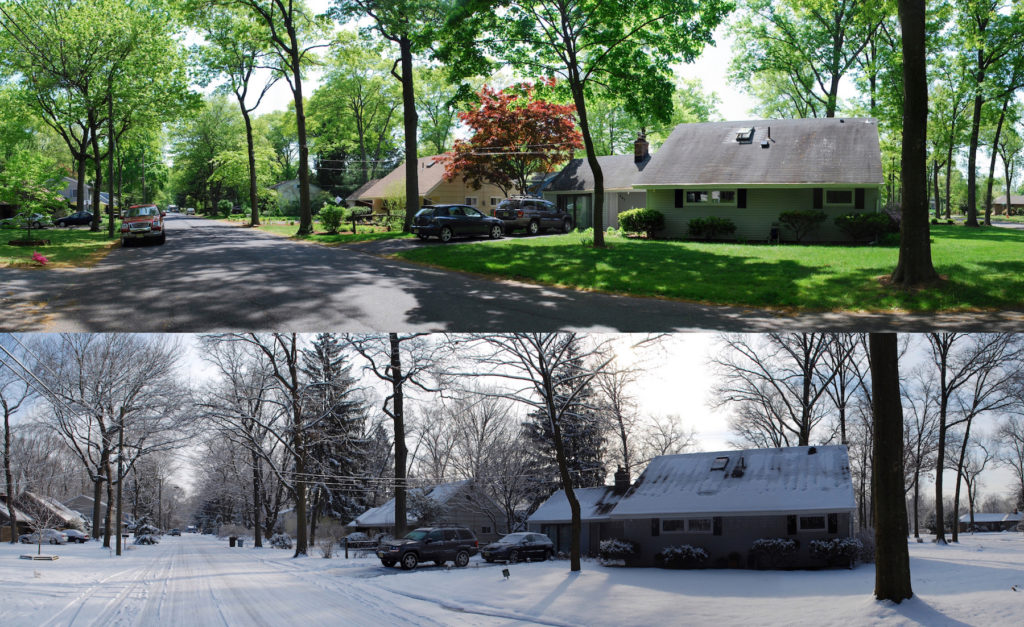
We wanted a place to harbor our happiness, so we bought this ugly house in a woodland of oaks that needed a lot of love. Our trees —13 in total, reminded us of the green, cold and distant rainy South that we no longer missed. It was a stupid idea and we could not blame youth anymore. Already 12 years in our foray and still hungry. By some miracle we had survived the tempests of our youth to become adults together —made in the image of each other.
The attic was almost done and we now lived in a pretty house. We’ve been working on the second floor since Thanksgiving, and our oaks outside were again dressed up in bright green. I knew those eyes the color of the honey well enough to guess where this was heading. I was afraid of what was coming, but I didn’t mind. There were still dreams left, we were still hungry and a bit insane.
Motherhood was never one her cravings. She had always been like one of those “Island Universe” that I learned about in school, a galaxy with her own gravitational system immune to external forces. Unique among her breed from the southern skies. But she had changed, we had license to change without judgement. Make amendments to the covenant without need for negotiations, without compromise.
Me too. My addiction to happiness made me greedy and I wanted to see her in another person. I wanted someone else in this world to be like her, —with her hair, her smile, her strength. A boy or a girl, I did not care. This was not one of my projects, fatherhood was not in my life’s to-do list.
I was also immensely comfortable and happy right then. Precisely like that, dirty, tired, aching and never too far from her arms. Unlike her, I was afraid, I wouldn’t know how to handle more happiness. Every night she whispered me the words that shore up my soul.
Her question had cracked the dam, but it offered me the shelter that I needed to dive in completely and blindly, with the selfish ambition to make her proud of me.
So I looked at her and only said “Yes.” And after a second, I cannot help myself so I added half jokingly “Let’s try only for a year to see if this is really god’s wish.”
* * *
Seasons on Woodland Rd.
The oaks outside are now bare and have a thin coat from last night’s snow. The house is finished, beautiful and full of clean winter light this January morning. The place is empty and quiet. I’m alone hastily trying to get the house ready so it can now shelter three. I shovel with love and later I throw rock salt on the driveway. No one is driving down the Turnpike to help us. Again, we have decided to do this all alone, to guard us from the intruders who love us in the impending turmoil that looms over our lives.
And I stop to wonder, is this the happiest day of my life? The cliché, so many times dropped in conversations lately. No, my answer is still no. Only much, much later I will get to understand that instead this is the day when everything broke, everything was demolished for both. The day we lost our paradise while trying to make it better.
As the months become years and we fiercely hold each other through forever Mondays and too many sunrises, we notice that all of the pieces are still here, none of them were lost. We are prepared to forge another universe with more dimensions. Love visits us again later in life, like a storm that leaves you breathless, and I am forever changed. Transformed again by her, I’ve learned colors that I could have never imagined.
I fall in love —like I did with her, slowly but helplessly with each of my sons. I master a new kind of the same love. Indestructible, irrevocable and boundless. But this kind has no need to be reciprocated, only to be gifted.
¿Debería escribir esto en Castellano? It’s probably been 25 years since the last time that I sat down to write. A lot has changed since, so many of my memories are now twined to this foreign language, the language of my mortgage and frictionless days. Still, I only know how to love her in one language. The smell of her voice always comes to me in her teenager accent, under the unbroken blue skies of our summers. Those scorching Januaries sneak through this beautiful snowy morning.
The need to write is different now. I owned a cold Pacific of sobs that she rocked against her chest, like a lover, like a mother. I never thanked her with words. I owe her that. Turns out I still have shit to say. And of course deceit gets harder and honesty easier when you can only skim the surface of a foreign language.
Once a boy with foolish dreams borrowed from dead writers, and somehow I got them. The memories show up unannounced, always welcome. I grew up in her weather and became a Midwestern dad with boys who have her kind eyes. With a bit of me. It’s always been about her. The college girl, the woman who knows all of my lies.
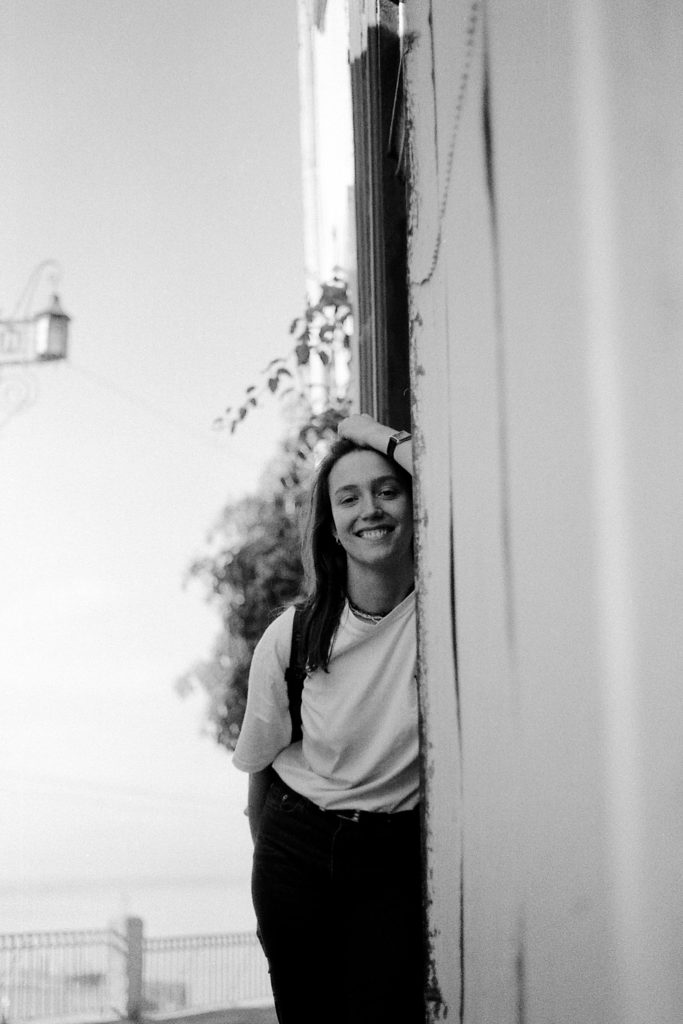
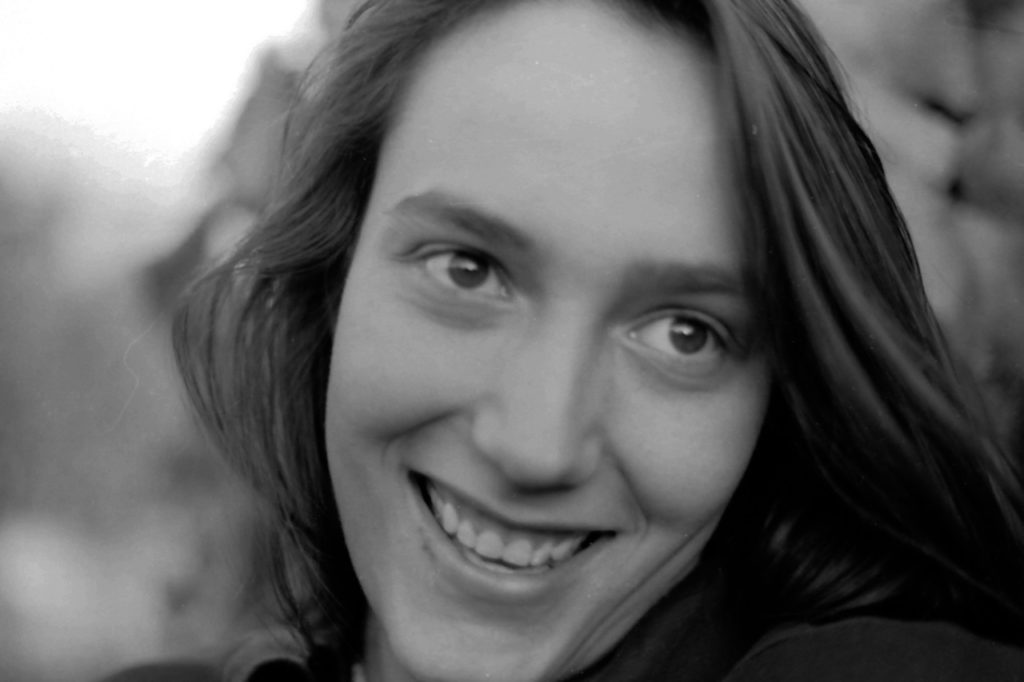
A black and white photograph of the college girl of my memories taken with the old Canon AE-1.
When the time came to make forever decisions, we were still too young. She was hot without knowing it, but the same in every weather. We were madly in love, the only way you should be when you are just 20, and that bothered people we loved. Mostly people she loved. We were both broke, and like everyone else back then we lived with our parents. It hurt not waking up next to her. I never wanted to say goodbye to her. I knew she loved me. I also knew I needed her more. I still do. She already knew who she was. I’m still working on it.
Months before, on a hot day in March, we had come up with the plan. It had been more than a year since the morning when I first kissed my best friend. Time folded. We had arrived at the trailhead of shared sinks. But our certainty looked like recklessness to others. Everyday life became a war in a windless winter city. As a Physics undergraduate, my only way out was to put an ocean between us and our childhoods.
That day she told me we should leave everything behind. So I applied to graduate school a year ahead of time, to synchronize with the northern hemisphere, to a country where she didn’t speak the language and where I didn’t like the people’s accent or the program that much. What could go wrong?
I got the letter at the end of August informing me that I had been accepted to start graduate school the next Michaelmas term. I gave her the news at the main library on campus, our fortress in the city. That is the afternoon where I didn’t propose. I only remember asking her, in-between the stacks. ¿Le damos nomás?
(This is the text from the story presented at the University of Illinois Story Collider event at Black Bird in Urbana on October 19, 2017)
Story Collider
You will pretty soon notice my thick accent (I do have one!) That’s because I’m from the south, the Deep South. I grew up in Chile, at the southern end of the world. In the late 1980s Chilean society was not the most open or diverse open one. And for the lucky ones that could attend college it had a particular way of crushing your dreams if they deviated from the expected path. Acceptable careers choices were limited. If you liked the arts, you should become an architect; if you liked biology, a physician; if you liked the humanities, a lawyer and if you’d liked math or physics an engineer.
In my case, I grew up influenced —and also depressed, by the French existential writers and the Latin American poets that I found on the bookshelves of my parents’ place back in Chile. So as a teenager I dreamed of becoming a writer like Camus or Cortázar. These were my friends, they were the only ones who could really “get me” at this time.
When I was about 7 or 8 years old my dad brings home two books of poems by one of the most important poets of the 20th century – Pablo Neruda. But right before he hands me my book, he rips out the first page!
He is not happy with the foreword. It highlighted Neruda’s political activities as a communist. This is in fact my first introduction to censorship. This is also the first book I ever owned. And let me tell you, it was the road to perdition: I started memorizing poems instead of playing soccer.
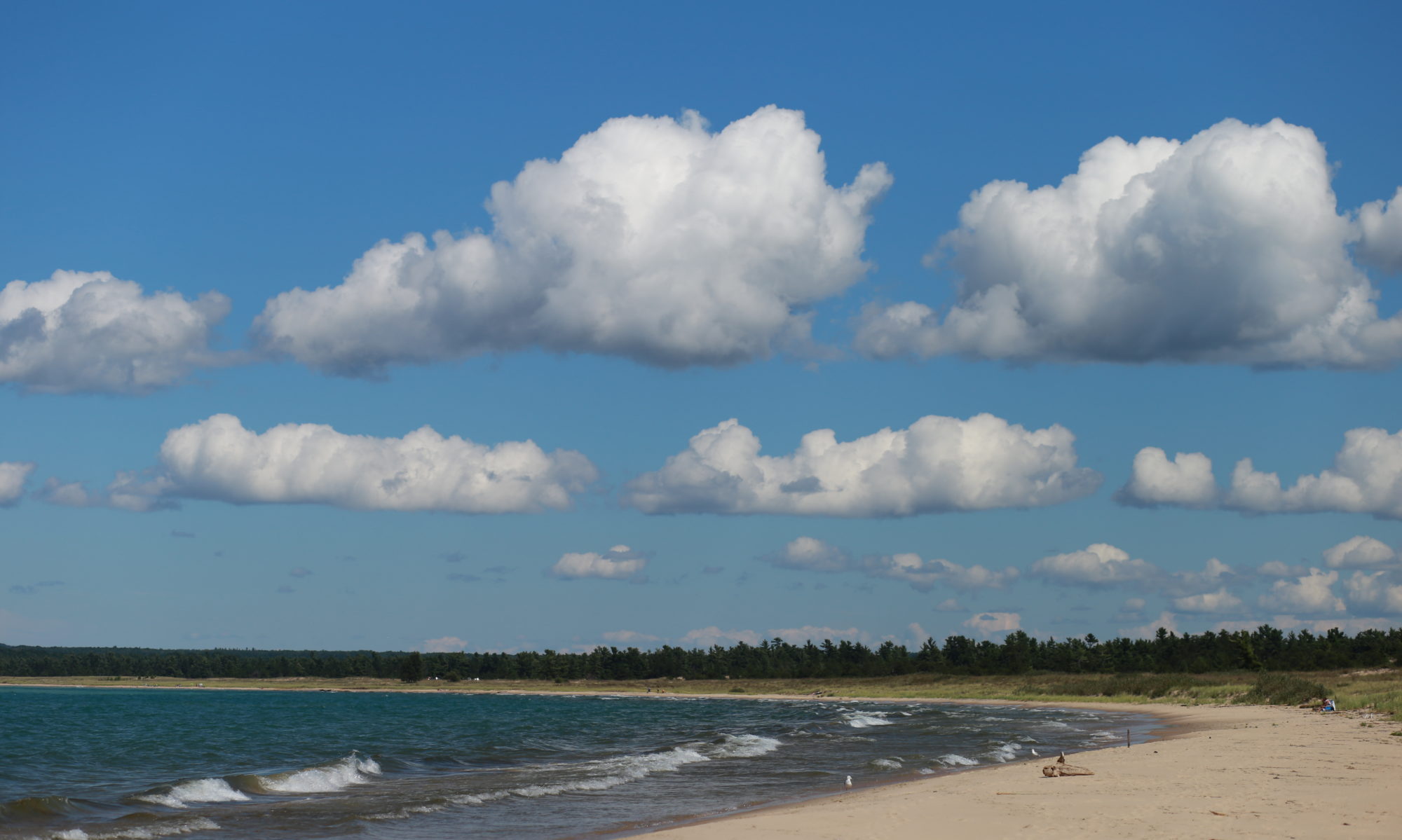
As kids in the 1980s in Chile, we didn’t have much, but somehow my parents took me and my older brother camping every summer to northern Chile. We camped for weeks in a then secluded beach where the Atacama Desert meets the cold waters of the Pacific Ocean. It was a harsh and beautiful place that as city kid I felt it was mine. The only source of light we got at night came from an old generator that run for a couple hours after sunset. After that it was all darkness.
In one of these trips, I am probably 8 or 9 years old and I am chest deep in the water with my dad. We are the only ones in the beach and no, there are no lifeguards in this place! A big wave is coming barreling to us, maybe 9 feet high. But I am a kid so maybe it wasn’t that big. And did I tell you that I’ve never taken swimming lessons? But I can float. I’m with my dad, and he is young, way younger than me today, even though my older son is also 8.
So my dad is holding my small hand and he says, “let’s run to the wave!” I can barely touch the bottom but I comply and we reach the wave as it crashes. We get down and grab on to the sandy bottom and it feels like a freight train passing over us.
But I’m with my dad and he is still has my hand, so tight that it is starting to hurt. As soon as we come out, another big wave is coming, so we rinse and repeat. And another one comes. And we rinse and repeat. Until the beach is calm and I have this new taste for how the power of the waves feels in my body and the bitterness of the sea salt in my mouth. My dad, unfazed by these tumultuous events simply tells me to remember that, “the big ones always come in sets of three!”
We did the same drill for more than 10 summers. During the day, I face my fears riding the big waves of the Pacific Ocean and at night I watch the dark sky. Pretty soon my older and much cooler brother gets bored and he bails out. However, during all those summers my curiosity only grows and I realize that I cannot be just an uninformed observer of nature. I want to know why. I need to know why.
Why are the waves crashing on the shore?
Where are they coming from?
Why is the ocean so salty?
How did all the sand get here to this beach?
Why is the moon showing me the same face every night?
Why are the sunsets so red and so pretty?
Why do they make me feel sad?
Where is my soul exactly located?
Am I the only one feeling this way?
But there was no Google or Wikipedia then, and my teachers were more focused in long division that in my line of enquiring. Thankfully I was able to find Carl Sagan and Stephen Hawking at the library. They kept me company and showed me a glimpse of the world where I wanted to live.
However, when I graduated high school in 1992, it was not possible to study Astronomy in Chile. It just didn’t exist as a career! I had good grades and the Chilean equivalent of very good SAT scores, so I knew I could be accepted to any program that I applied. But everyone at my school, advised me on becoming an engineer, get a solid profession under my belt and maybe later pursue my dreams.
You might think, “What’s the big deal?” Engineers do cool shit too, right? That was not necessary the case in Chile, most engineers were not involved in tech or developing electric cars. They were mostly managers at corporation dealing with large excel spreadsheets.
As you probably can imagine I wasn’t widely popular in high school either. And of course, it was all my fault. I didn’t play soccer, but I loved drama club. I did manage to get elected president of the student union, but I spent most of my energy fighting a few teachers who were real jerks. The few friends I had were girls. I spent my time reading Kafka and Hesse during religion class, while falling in and out love with girls who rarely reciprocated.
By my senior year in high school I was sorely disappointed at life, my heart had been broken, love was a fallacy and had finally come to terms with the fact that there was no god to protect us. In other words, I felt totally out of place, and I did not belong there.
It is now the summer before I started college and only days before I have to submit my college applications. I am at home with my mom while she watches some cheesy, mid-afternoon “telenovela.” I just keep on whining, and whining about my limited career choices, and she is probably just fed up, or maybe she knows exactly how I feel. After all she is woman from a previous generation and her life choices were much more limited than mine. She started her career as a primary school teacher, but she left it to raise me and my brother.
So, she says: “why don’t you check the phone book for astronomy at that other university?” Of course, as a teenager, I totally dismiss her advice and remind her that astronomy doesn’t exist as a career at any university in Chile. She just grabs the phone book and pretty soon finds an entry and a number for an “Astronomy Group” at PUC, the “other” university where I really want to go.
My mother pushes me to cold call the Astronomy Group, where the lady at the end of line is kind enough to listen to my predicament. She pretty soon connects me with a professor and I find out from him that I could simply study physics and later get a PhD in astronomy. I cannot believe this is possible, and right there I ask him if could talk to him in person, and the professor says: “why don’t you come over right now?” I hang up the phone and tell my mom what happened. She gives me money and directions, and I go out to find out more.
Needless to say, I am sold as soon as I cross the threshold of the then Astronomy Group at PUC. It was like falling in love.
Against the advice of most of my friends, my brother and my guidance counselor. I decided to follow plan B. I became a scientist. I studied physics in college, and became an astronomer. Although neither of my parents are college educated, they fully supported my crazy decision and never questioned it.
Looking back, choosing physics and science has been the most important decision I have ever taken and it has shaped the rest of my life. I was exposed, for the first time to a new and open universe full of ideas and like-minded people. My new friends were not only aspiring physicists, but also aspiring artists.
Finally, I felt among my peers.
Finally, I belonged somewhere.
This last-minute decision led me to another world. Another world where I could, in the first day of college, meet this tall, cool and fascinating girl, who was way out my league!
She was my best friend for years, then the love of my life that I somehow convinced to spend our lives together.
But actually, that’s another Story Collider on its own.
Thank you.
* * *
Live recording of my attempt of telling this story at Black Bird in Urbana.